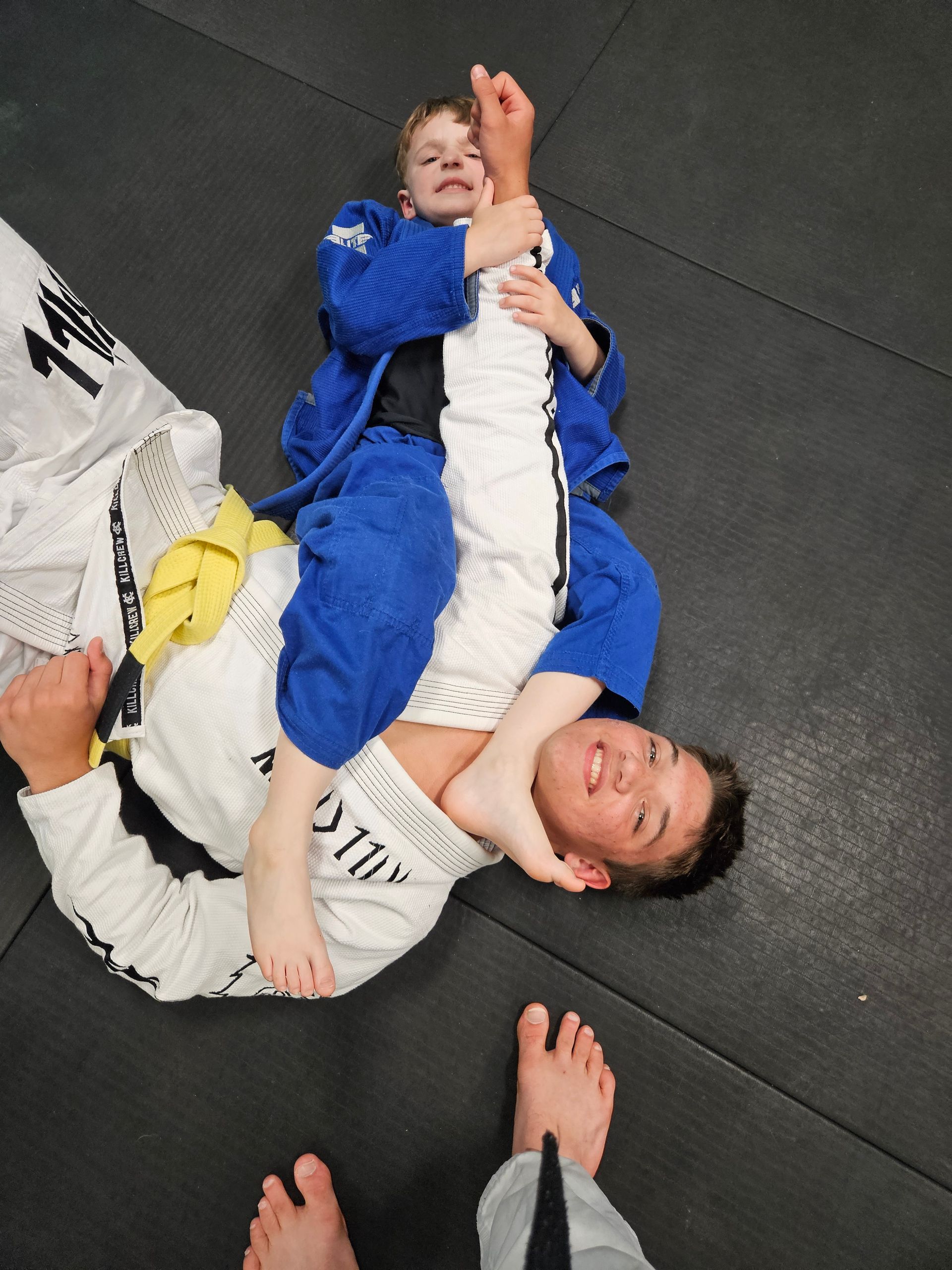
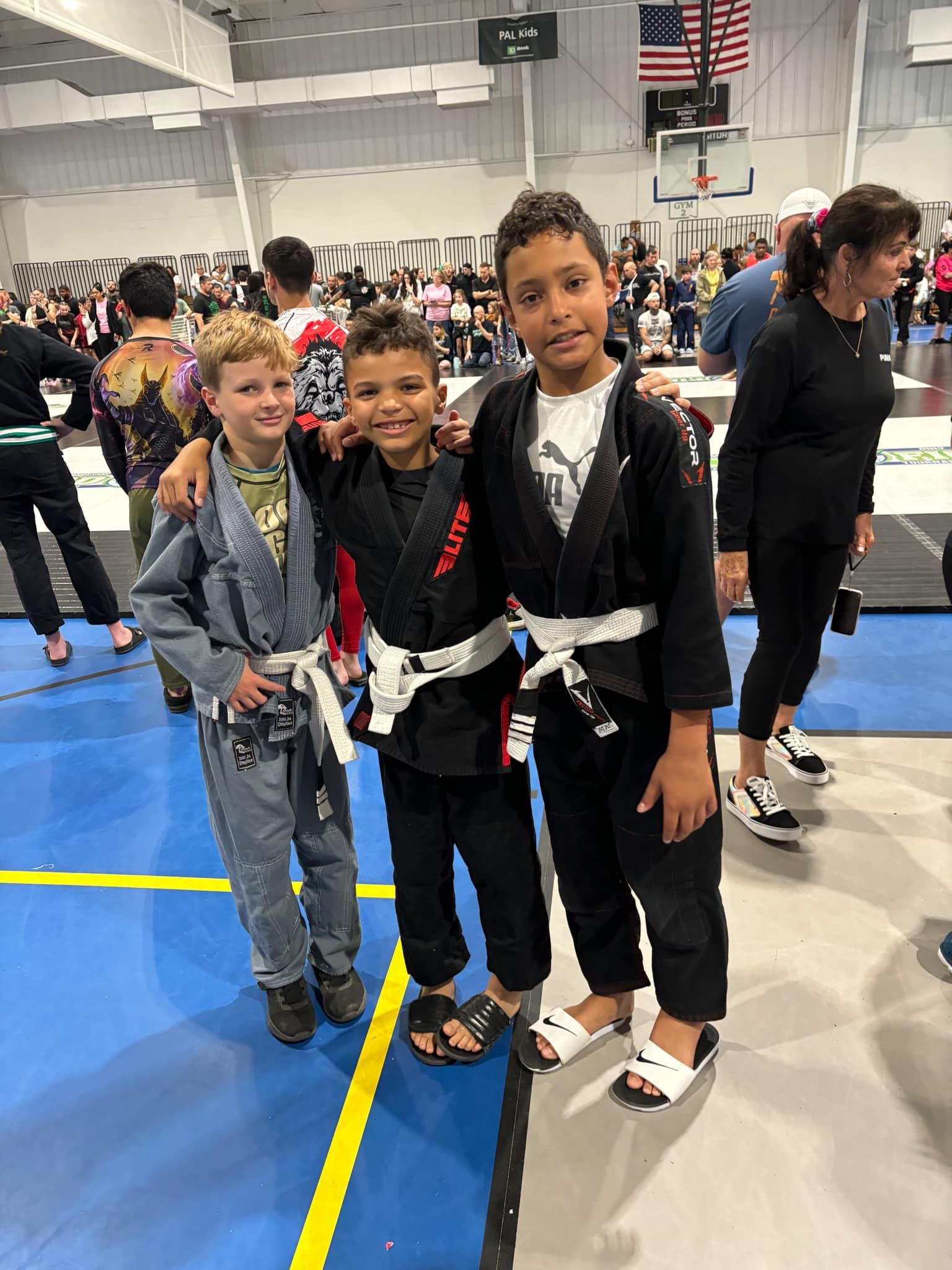
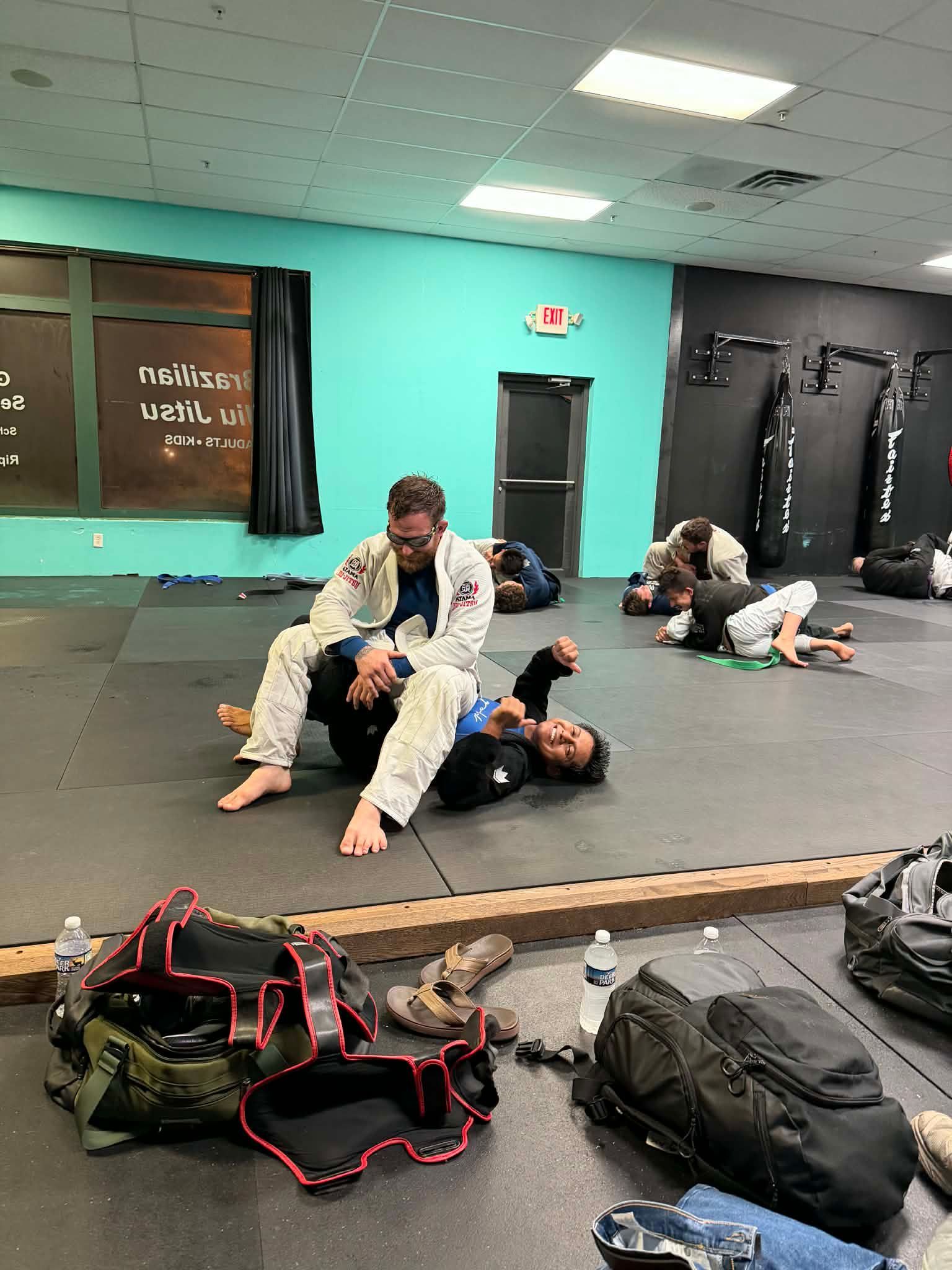
A great kids activity should burn energy, build confidence, and still feel like the best part of the week.
If you are looking at Kids Brazilian Jiu-Jitsu for your child, you probably want two things at the same time: real fitness benefits and a place your kid actually wants to return to. In Lewes, that mix matters. Families are balancing school, seasonal sports, weather changes, and yes, plenty of screens pulling attention in every direction.
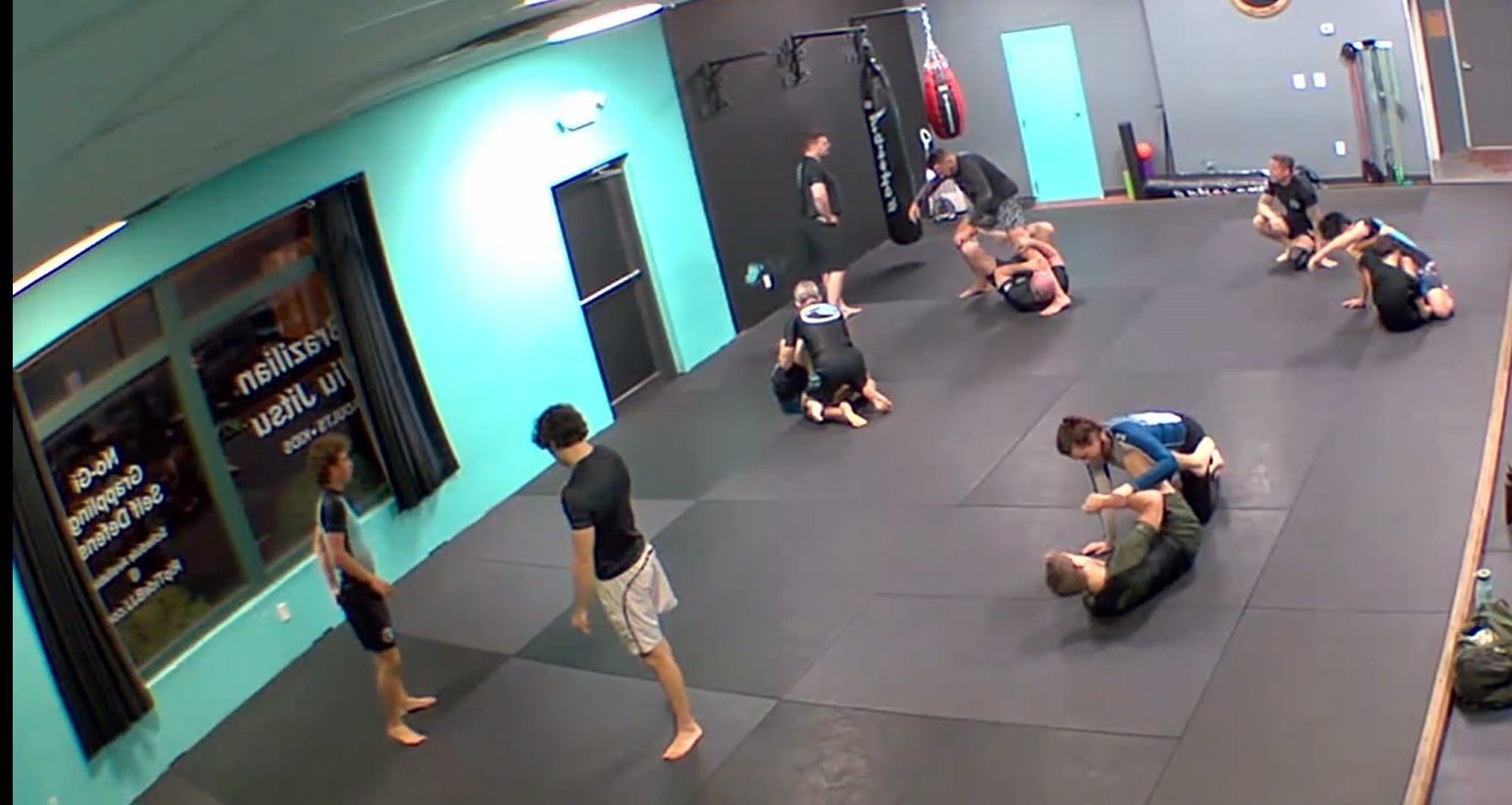
We see it every week on the mats: when training is structured but playful, kids stay engaged. They learn how to move better, how to focus under pressure, and how to be a good training partner. And while we take safety seriously, the overall vibe is still kid-friendly, upbeat, and surprisingly fun.
In this guide, we will walk you through why Brazilian Jiu-Jitsu connects so well with kids in our area, what fitness benefits you can expect, how classes stay interesting, and what you should know before your child tries a first class.
Why Kids Brazilian Jiu-Jitsu works so well for Lewes families
Lewes and the surrounding beach communities are family-centered, and that means parents often want one activity that checks a lot of boxes. Kids Brazilian Jiu-Jitsu does that in a way that feels practical, not complicated. It is an indoor program, so it stays consistent when it is cold, rainy, or when the off-season quiets down. And it gives kids a weekly routine that does not depend on a short sports season.
Another reason it fits our area is simple: BJJ is interactive. Kids are not stuck doing repetitive laps or isolated drills for an hour. They are learning movement, balance, and control with a partner, while still following clear rules and structure. That combination helps many children stay motivated, even if they have tried other activities and lost interest.
And for parents, it is helpful that Brazilian Jiu-Jitsu is a grappling-based martial art. The emphasis is on leverage, positioning, and control rather than punches and kicks. That does not eliminate risk, but it often feels like a more comfortable introduction for families who want a contact sport without striking.
The fitness benefits kids actually feel (and you can actually notice)
BJJ fitness is not just about “getting tired.” It is about building a more capable body, piece by piece, through movement that has a purpose. When kids learn how to shrimp, bridge, sprawl, base out, and stand up safely, they build a foundation that carries over into everyday life and other sports.
We also like that the work is scalable. A brand-new student can participate on day one because techniques can be practiced slowly, with control. Over time, as coordination improves, intensity can increase naturally.
Here are some of the biggest fitness benefits we see develop with consistent Kids Brazilian Jiu-Jitsu training:
• Better coordination and balance through footwork, base, and controlled partner drills
• Stronger core and hips from foundational movements like bridging and hip escapes
• Improved muscular endurance from gripping, framing, and holding good posture under pressure
• More mobility and flexibility from safe movement patterns and warm-ups that support joint health
• Cardiovascular conditioning that builds gradually through rounds of light, supervised training
The CDC recommends kids and teens get about 60 minutes of physical activity per day, and many families tell us the hardest part is not knowing what counts as “good” activity. BJJ counts because it is active, continuous, and mentally engaging, which helps kids stick with it long enough to see real progress.
Why it feels like fun, not “exercise”
Kids do not usually say, “I love functional fitness.” What they love is the experience. A good class feels like a mix of learning, games, teamwork, and small wins. In our kids program, we keep the pace moving. We teach skills in digestible pieces, and we use partner drills that feel like a challenge without feeling overwhelming.
A big part of the fun is the problem-solving. BJJ is sometimes described as human chess, and kids understand that quickly. If you move your hips here, you escape. If you control the distance there, you stay safe. Kids like that cause-and-effect feeling, especially when they can test it right away with a partner.
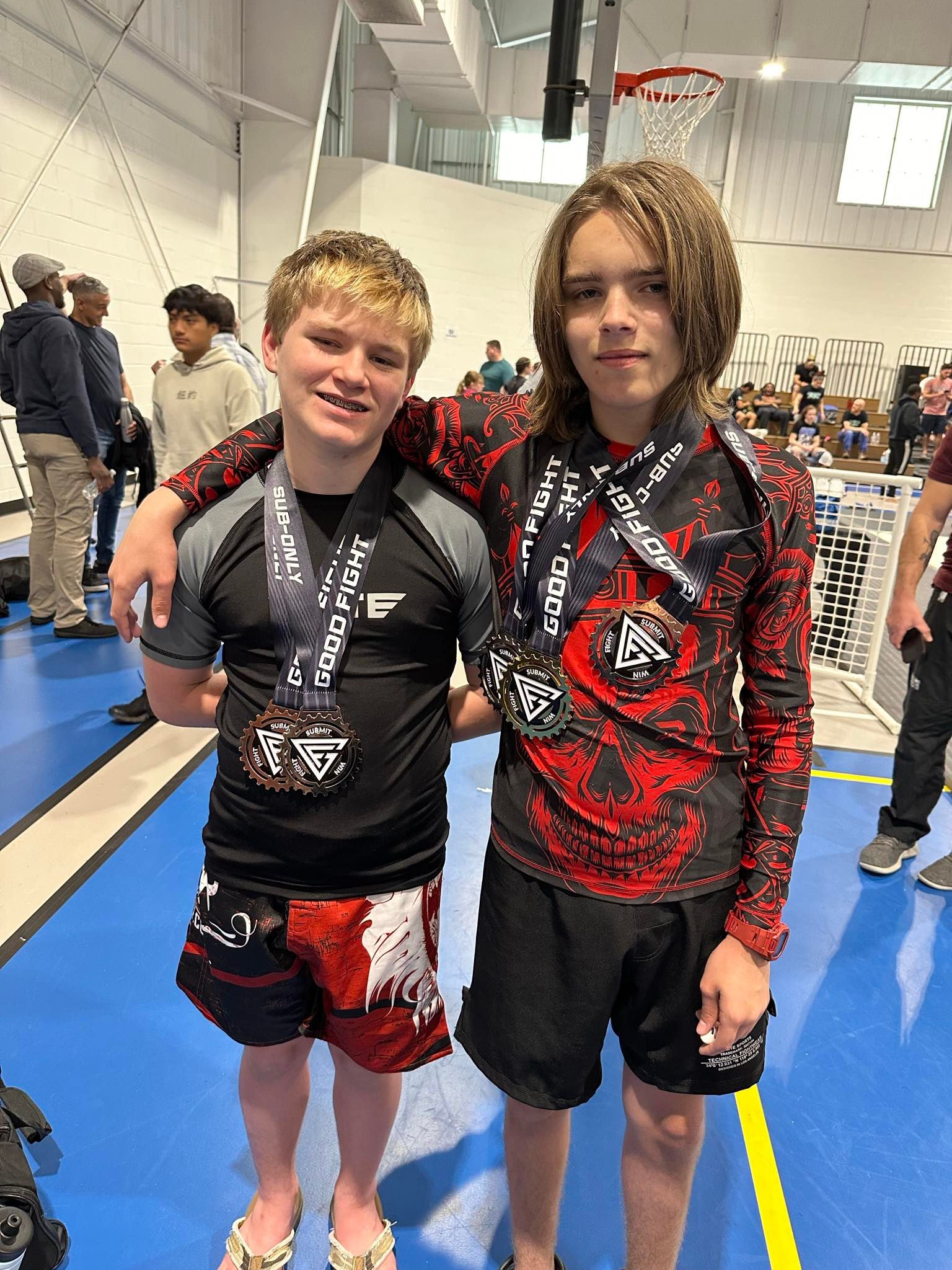
Progress is another motivator. When kids can see improvement, even in tiny ways, motivation grows. Maybe your child finally remembers how to breakfall. Maybe your child learns how to keep calm in a tight position instead of panicking. Those moments are real, and kids feel proud of them.
Kids Brazilian Jiu-Jitsu builds confidence without needing aggression
One of the most common misunderstandings about martial arts is that it teaches kids to be rough. What we focus on is control. In Brazilian Jiu-Jitsu, control is the whole point: controlling your body, controlling your position, and controlling your reaction when something feels hard.
That confidence tends to show up in everyday life. Kids stand a little taller. Kids learn to make eye contact with coaches. Kids get used to trying something new, failing at it a bit, and coming back anyway. That last part is huge, especially for children who get discouraged quickly.
Because BJJ is non-striking, many parents also feel more comfortable with the “energy” their child is practicing. We are not training kids to throw punches. We are teaching them to use leverage, movement, and awareness. The message stays clear: train hard, stay respectful, and take care of your training partner.
Focus, emotional regulation, and the “practice being uncomfortable” skill
If you have ever watched a child learn something challenging, you know the emotional side is real. Kids want to do it perfectly right away, and that is not how Jiu-Jitsu works. It takes repetitions. It takes patience. It takes listening.
In Kids Brazilian Jiu-Jitsu in Lewes, DE, we use consistent class structure because structure supports self-regulation. Kids learn when to line up, when to listen, when to drill, and when to go live in a controlled way. Those routines create a calm framework, even for kids who are usually a little all over the place.
Research on youth martial arts often points to improvements in attention, self-control, and social behavior when training is taught in a positive, structured environment. We see that pattern too. Kids practice breathing through frustration, resetting after a mistake, and trying again. That is a life skill, not just a sport skill.
A quick look at what a first kids class usually feels like
Parents often want details, because “martial arts class” can sound intimidating if your child has never done it. A first class is usually much more approachable than people expect. We help new students feel oriented quickly, and we keep the focus on basics.
A typical class flow often includes:
1. A warm-up with kid-friendly movement drills that build coordination and body awareness
2. Technique instruction broken into simple steps, with plenty of coaching
3. Partner drills where kids practice safely and learn how to cooperate
4. Optional, closely supervised live training that matches kids by size, age, and experience
5. A quick wrap-up that reinforces respect, effort, and what we practiced that day
If your child is nervous, we slow it down. If your child has tons of energy, we give that energy a job. That is one of the best parts of having a structured program: the class itself does a lot of the regulating.
Is Brazilian Jiu-Jitsu safe for kids?
This is the question parents should ask, and we take it seriously. BJJ is a contact sport, so the goal is not to pretend risk is zero. The goal is to manage risk through coaching, culture, and smart training design.
Safety starts with how techniques are taught. We emphasize control, tapping early, and choosing appropriate intensity. We also monitor pairings so kids train with partners who match well. A well-run kids room is not chaotic. It is energetic, but it is supervised and structured.
We also set expectations around hygiene and mat etiquette. Clean uniforms, trimmed nails, and basic cleanliness protect everyone. It is not glamorous, but it matters.
Great for shy kids, energetic kids, and “not sporty” kids
Not every child thrives in the same environment. Some kids want to run nonstop. Some kids hang back and watch. Some kids struggle in big team settings but do great in smaller partner-based learning.
Kids Brazilian Jiu-Jitsu can support all of those personalities because progress is individual, but training is social. Your child does not have to be the fastest runner or the biggest athlete. Your child just needs to show up and try.
For shy kids, the structure helps. There are clear rules for how to interact. There is built-in teamwork. A child can gain confidence through repetition without being put on the spot in front of a crowd.
For energetic kids, the physicality helps, but so does the focus requirement. The class gives them a place to move and a reason to listen, because the technique only works when you pay attention.
Practical self-defense, taught in an age-appropriate way
Parents also ask if BJJ helps with self-defense. The short answer is yes, when it is taught appropriately. Brazilian Jiu-Jitsu in Lewes, DE can give kids practical tools: how to control distance, how to get up safely, how to escape pins, and how to stay calm when someone is in your space.
We also keep self-defense conversations age-appropriate and responsibility-focused. The goal is not to make kids feel like fighters. The goal is to help kids feel capable, aware, and confident. That includes learning when to step away, when to ask for help, and when to use skills only as a last resort.
How often should your child train?
Consistency matters more than intensity. Many kids do well starting with one or two classes per week. That is enough to learn the basics, build familiarity, and start feeling the “I know what I am doing now” confidence.
As your child settles in, adding an extra day can speed up progress, but it should still fit your family routine. We would rather see steady training all year than a burst of training followed by a long break. In a beach community, that year-round rhythm is a big advantage.
What to wear and bring (simple, no stress)
Parents appreciate knowing what to do on day one. For Kids Brazilian Jiu-Jitsu, you generally want comfortable training clothing, a water bottle, and a good attitude. Depending on the class type, your child may train in a gi or no-gi attire, and we will guide you on what is best for the program your child is joining.
A couple of small things that help a lot: arrive a few minutes early, use the restroom before class, and bring sandals or slides for walking off the mat. The little routines make the whole experience smoother, especially for younger kids.
Take the Next Step
Kids Brazilian Jiu-Jitsu is popular in our community because it does not feel like a chore. It is fitness with a purpose, confidence built through real skill, and a social environment that teaches respect and resilience without needing aggression. If you want an activity your child can stick with through every season in Lewes, this is a strong option.
When you are ready, we would love to help your child get started at
Rip Tide Brazilian Jiu Jitsu. We keep our coaching supportive and structured, and we make sure new students feel welcomed and guided from the first class to the first real breakthroughs.
Become part of a strong local
Jiu-Jitsu community at Rip Tide Brazilian Jiu Jitsu.